
Whether you’re feeling great or struggling through nausea, here’s how to structure your day on Ozempic, Wegovy, or Mounjaro.
GLP-1 medications change the way your body experiences hunger, fullness, and energy. That means your old daily routine probably won’t work anymore — and that’s not a bad thing. But it does mean you need a new playbook. This guide covers exactly that. A full-day framework for life on GLP-1s — what to do when you feel good, what to do on injection day, and how to get through the tough days when nausea, fatigue, or zero appetite make everything harder. Bookmark this one. You’ll come back to it.Why Your Day Looks Different on GLP-1s
GLP-1 medications slow gastric emptying, reduce appetite signals, and affect how your body processes blood sugar. In practical terms, this means:- You may not feel hungry in the morning (or at all)
- Eating too fast or too much can trigger nausea quickly
- Your energy levels may dip, especially in the first weeks or after a dose increase
- Hydration becomes more important because eating less means drinking less — which sneaks up on you
The “Good Day” Schedule
On days when you feel well, follow this loose structure. Adjust timing to your lifestyle — this isn’t rigid, it’s a reference point.Morning (7:00–9:00 AM)
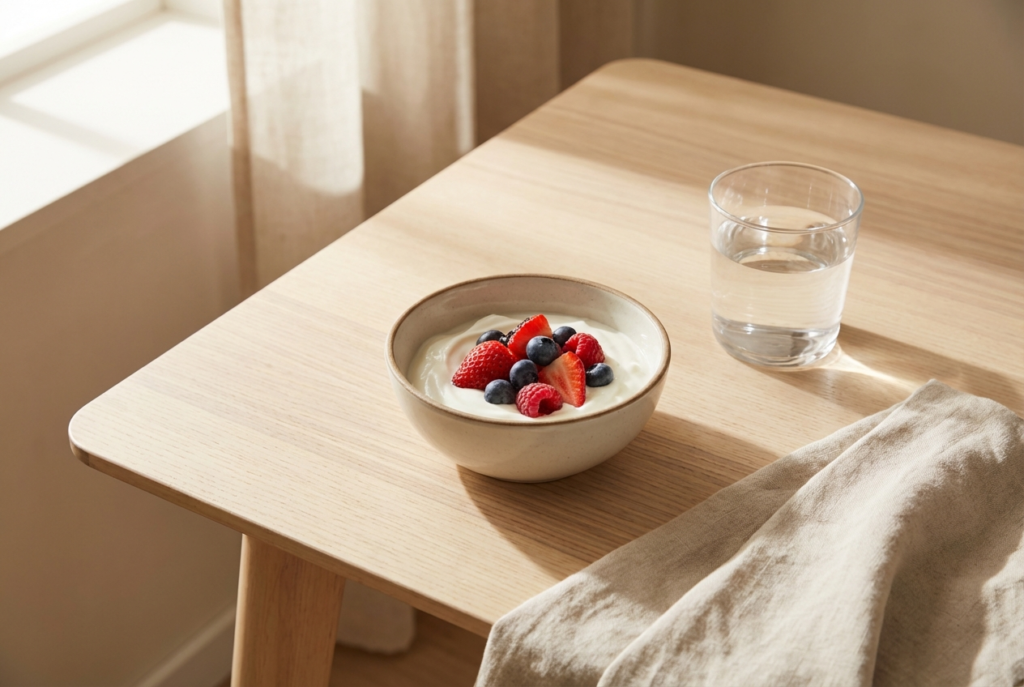
Start with water before anything else. GLP-1 users often wake up mildly dehydrated because reduced appetite also reduces thirst awareness. Drink at least one full glass (300–400 ml) before coffee or food. You may not feel hungry right away — that’s normal. Don’t force breakfast if your body isn’t asking for it. But if you can eat, choose something light and protein-forward:- Greek yogurt with berries
- 2 eggs with a slice of whole grain toast
- A small protein smoothie
Mid-Morning (10:00–11:30 AM)
This is often the best window for a light snack if breakfast was small. Good options:- A small handful of nuts
- Cottage cheese
- A hard-boiled egg
Lunch (12:00–1:30 PM)
Your most substantial meal of the day, if appetite allows. Structure it around the GLP-1 plate rule:- Protein first — chicken, fish, eggs, legumes, tofu
- Vegetables second — half the plate if possible
- Carbs last — and smaller portions than before
Afternoon (2:00–4:00 PM)
This is when energy dips are most common, especially early in treatment. Resist the urge to reach for sugar or caffeine. Instead:- Take a short walk — even 10–15 minutes improves energy and blood sugar regulation
- Have a small protein snack if hunger shows up
- Drink water or herbal tea
Dinner (6:00–7:30 PM)
Keep dinner moderate. Many GLP-1 users find their appetite is lowest at dinner time, which is fine — a lighter evening meal is perfectly healthy. Focus on: lean protein + cooked vegetables + a small portion of complex carbs if desired. Avoid eating very close to bedtime to reduce the chance of reflux, which some GLP-1 users experience.Evening (8:00 PM onward)
Wind down. Avoid large snacks unless you genuinely under-ate during the day. If you’re struggling to hit protein goals, a small casein protein drink or Greek yogurt before bed is a good option. Hydration check: have you hit roughly 2 liters today? If not, drink a glass before sleep.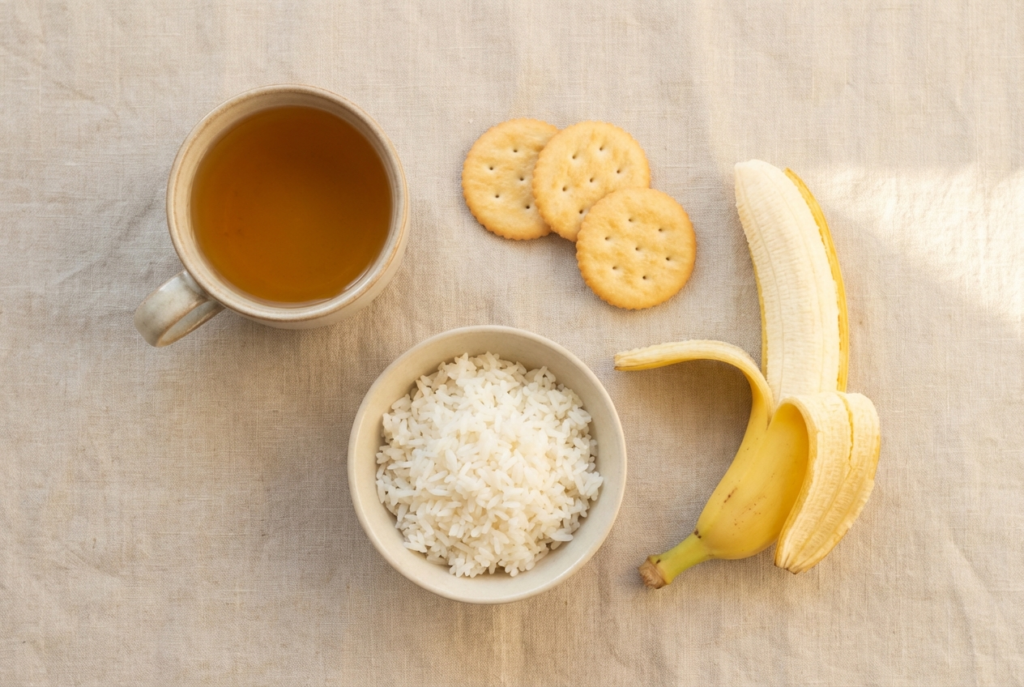
Injection Day Guide
Injection day deserves its own routine. For weekly injections (Ozempic, Wegovy, Mounjaro), most people inject on the same day each week — often in the evening or morning, depending on what works for them.Before Your Injection
Eat a normal meal 1–2 hours before injecting if possible. Injecting on a completely empty stomach can make nausea worse for some people. Stay hydrated.After Your Injection
The first 24–48 hours after your injection are typically when side effects peak. Plan accordingly:- Eat smaller meals than usual
- Avoid greasy, spicy, or very rich food for the rest of injection day
- Keep alcohol away — it significantly worsens nausea on injection day
- Go easy on exercise — light walking is fine, but intense workouts on injection day often feel awful
Best Foods on Injection Day
- Plain crackers or rice cakes
- Bananas or applesauce
- Plain chicken or white fish
- Broth-based soups
- Ginger tea (genuinely helps with nausea — the real stuff, not just ginger-flavored)
What to Expect
If you’re new to GLP-1s or recently increased your dose, injection day may feel rough. That’s normal and usually improves after 2–4 weeks at the same dose. Track how you feel each injection day — you’ll likely notice a pattern, and you can plan lighter activities and simpler meals around it.Low Appetite Days: How to Still Fuel Your Body
Low appetite is one of the most common effects of GLP-1 medications — and one of the most misunderstood. The problem isn’t eating less overall. The problem is when you’re not eating enough of the right things, particularly protein. Protein loss is a real risk on GLP-1s. Without adequate protein intake, a significant portion of weight lost can come from muscle rather than fat. This is a big deal for long-term health and metabolism.Your Minimum on Low Appetite Days
Even if you’re not hungry, aim for:- At least 80–100g of protein (adjust for your body weight — roughly 1.2–1.6g per kg)
- 2+ liters of water
- Some form of vegetables or fiber to support digestion
Easy Protein Options When You Don’t Want to Eat
- Protein shakes — low effort, fast, easy to stomach
- Greek yogurt — 15–20g protein per serving, smooth texture, easy to eat
- Cottage cheese — surprisingly easy to get down even without appetite
- Eggs — soft scrambled or poached are easiest
- Edamame — eat it cold, high protein, mild flavor
- Protein soup — warm bone broth with a protein source stirred in
Don’t Skip Eating Entirely
It might feel fine to skip meals on low appetite days, but skipping entirely creates problems — blood sugar dips, muscle loss, and nutritional gaps that compound over time. Aim for at least 2 small protein-focused “meals” even if they’re just a yogurt and a shake.Nausea and Fatigue Days: Getting Through the Hard Ones
Some days on GLP-1s are just hard. Nausea is the most reported side effect, and fatigue can hit without warning. Here’s how to manage it.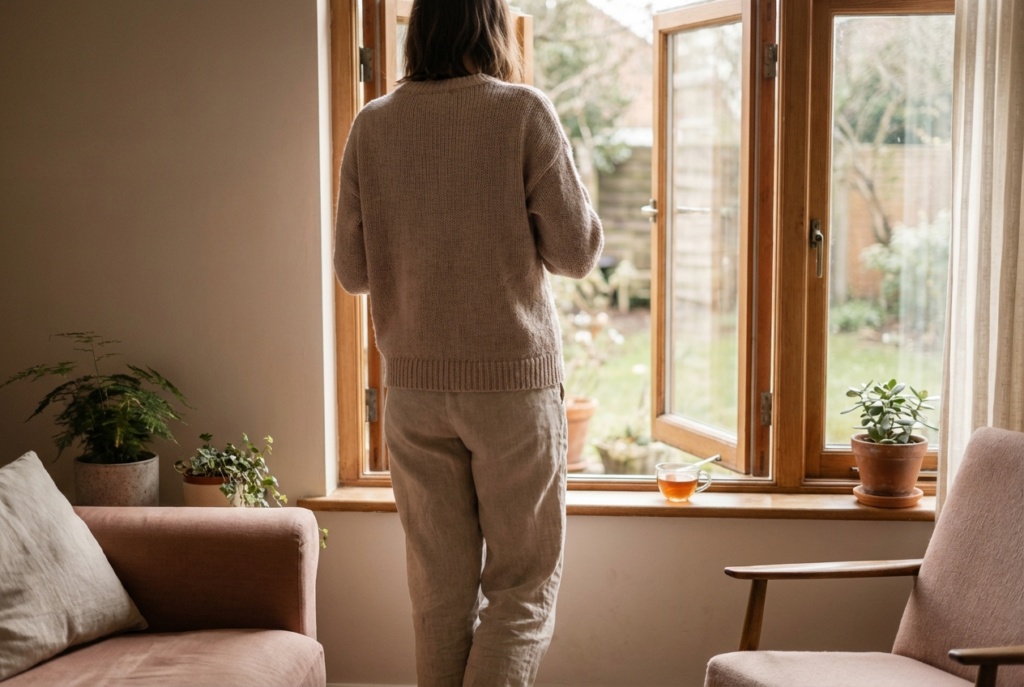
Managing Nausea
Eat small and often. An empty stomach often makes nausea worse. Small amounts of bland food every 2–3 hours is better than nothing. Eat slowly and stop before you’re full. Pushing past the “almost full” feeling almost always triggers nausea on GLP-1 medications. Best foods for nausea:- Plain crackers, plain rice, or plain toast
- Bananas
- Applesauce
- Ginger — tea, chews, or even ginger ale (low sugar)
- Broth or miso soup
- Smooth peanut butter in small amounts
- Anything fried, greasy, or very fatty
- Strong spices
- Alcohol
- Large portions of anything
- Carbonated drinks (can make bloating worse)
- Sit upright after eating for at least 30 minutes
- Eat at a table, not lying down or slouching
- Cool air and fresh air genuinely help — open a window or step outside
- Peppermint tea or peppermint gum can ease nausea for some people
Managing Fatigue
If fatigue hits, don’t fight it with stimulants. Rest is legitimate and useful, especially in the early weeks. That said, a short walk (10–20 minutes) often does more for energy than lying down. Get outside if you can. Check the basics:- Have you eaten enough today? Under-fueling causes fatigue.
- Have you had enough water? Dehydration masquerades as exhaustion.
- Have you slept? Disrupted sleep is common in early GLP-1 treatment.
A Quick-Reference Cheat Sheet
| Situation | Do This |
|---|---|
| Not hungry in the morning | Water first, small protein snack when ready |
| Injection day | Light meals, no alcohol, no intense exercise |
| Nausea | Small bland meals, ginger tea, sit upright after eating |
| No appetite at all | Protein shake + Greek yogurt minimum |
| Energy crash | Short walk, water, check if you’ve eaten enough |
| Overate accidentally | Rest, no more food for 2–3 hours, ginger tea |
| Feeling great | Follow the daily schedule, hit protein goals |
The Bottom Line
Life on GLP-1 medications works best when you stop fighting your changed appetite and start working with it. Your days don’t need to look like they used to — they just need to cover the fundamentals: enough protein, enough hydration, regular light movement, and rest when your body needs it. Bad days are part of the process. They get better. And the structure you build now makes the whole journey easier. Have questions about managing side effects or building habits on GLP-1 medications? Browse more guides at LifeOnGLP or visit our complete GLP-1 FAQ.Medical Disclaimer
The content on this page is for informational and educational purposes only. It reflects general user experiences and publicly available clinical information about GLP-1 medications — not personal medical advice. Every person’s health situation is different. Before starting, adjusting, or stopping any medication or treatment, please consult a licensed healthcare provider or specialist who can evaluate your individual circumstances.