
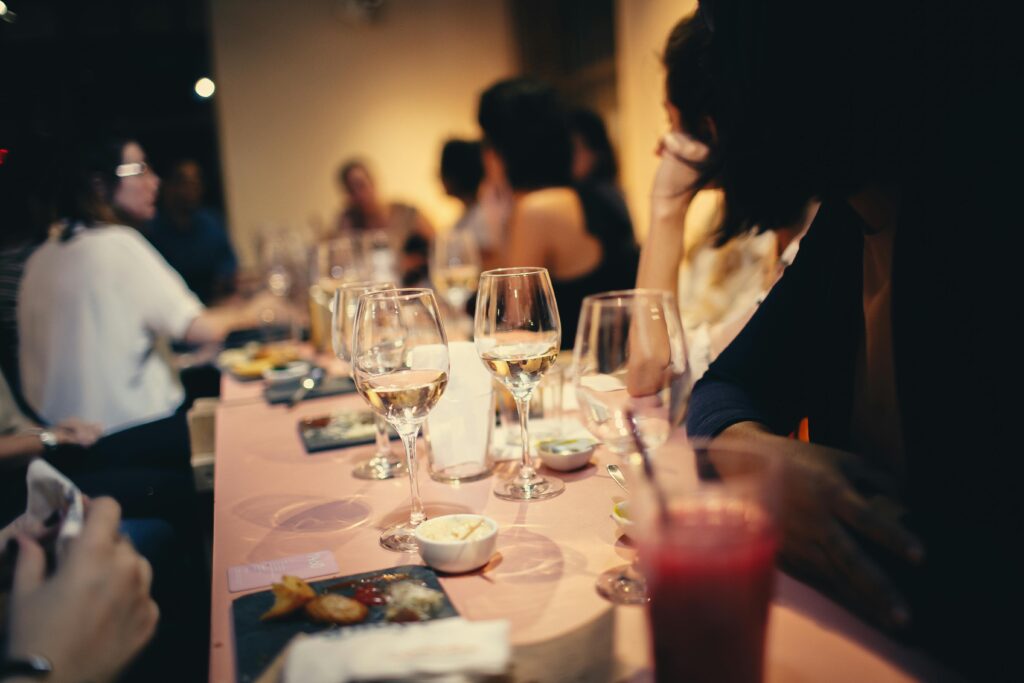
One of the most surprising things people report after starting Ozempic or Wegovy has nothing to do with food. They stop wanting to drink. Not because they’re trying to cut back. Not because alcohol makes them sick. The desire just quietly disappears. Reddit threads on r/Ozempic and r/semaglutide are full of people describing the same experience — glass of wine at dinner, one sip, and suddenly they just don’t want the rest. It turns out this isn’t a coincidence. There’s real science behind it.
It’s the same mechanism as food noise
The reason GLP-1 medications reduce alcohol cravings is the same reason they quiet food noise. GLP-1 drugs bind to specific receptors in the brain — particularly in the ventral tegmental area, nucleus accumbens, and prefrontal cortex — regions that regulate dopamine and motivation. By targeting these receptors, the drugs blunt dopamine release and reduce reward signaling.
Alcohol, like food, triggers the brain’s reward system. When GLP-1 dampens that system, the pull toward alcohol weakens along with the pull toward food. It’s not willpower — it’s neurology.
What the clinical research shows
This isn’t just anecdote. A study published in JAMA Psychiatry — the first randomized, placebo-controlled clinical trial of semaglutide for alcohol use — found that weekly injections of semaglutide reduced alcohol craving, drinking quantity, and the frequency of heavy drinking days in adults with alcohol use disorder.
The trial involved 48 participants who received semaglutide at low doses for 9 weeks. Those treated with semaglutide took significantly fewer drinks on days they consumed alcohol and reported greater reductions in heavy drinking days.
About 40% of patients receiving semaglutide reported no heavy drinking days in the final month of treatment. In the placebo group, it was only 20%.
The magnitude of semaglutide’s effects on several drinking outcomes appeared potentially greater than what is often seen with existing alcohol use disorder medications — even though semaglutide was only administered at the lowest clinical doses.
Alcohol also hits harder on GLP-1
There’s a second, more practical reason to be careful with alcohol on these medications. A study from Virginia Tech found that GLP-1 agonists slow the speed at which alcohol enters the bloodstream. Participants taking semaglutide, tirzepatide, or liraglutide showed slower increases in breath alcohol concentration — and reported feeling less intoxicated at first.
What this means in practice: the timing of intoxication shifts. Alcohol may feel weaker at first, then hit later and harder than expected. One drink can feel like two or three once it fully absorbs. This catches a lot of GLP-1 users off guard — especially in social situations.
It extends beyond alcohol
Recent research suggests GLP-1 drugs may reduce cravings far more broadly — cutting across food, alcohol, drugs, and even behaviors like gambling. Clinicians have reported that semaglutide reduced many patients’ cravings for substances they had long struggled to resist.
In a subgroup of smokers in the JAMA Psychiatry trial, those receiving semaglutide had a significantly greater reduction in cigarettes per day than those receiving placebo. The implication is striking: GLP-1 medications may not just be treating obesity and diabetes — they may be treating the underlying reward dysregulation that drives a wide range of compulsive behaviors.
What this means for you practically
If you’re on Ozempic, Wegovy, Mounjaro, or Zepbound, here’s what to keep in mind about alcohol:
- You may lose interest in drinking entirely — this is common, documented, and not something to worry about. Many people consider it an unexpected benefit.
- If you do drink, go slower than usual — alcohol enters your bloodstream more slowly but can still build up. Don’t judge how drunk you are by how you feel in the first 30 minutes.
- One drink can feel like more — especially on an empty stomach or if you’ve been eating less overall. Start with half of what you’d normally have.
- Don’t use alcohol to cope with side effects — some people drink to manage nausea or anxiety in the early weeks. This is counterproductive and harder on your system than normal.

The bottom line
Losing interest in alcohol on GLP-1 medication is real, it’s neurological, and it’s backed by solid clinical evidence. The same brain mechanism that quiets food noise also dampens alcohol cravings — because both are driven by the same dopamine reward circuit.
If you’ve noticed you just don’t want that glass of wine anymore — your brain is working differently. And the science is finally catching up to what GLP-1 users have been reporting for years.
Have more questions about GLP-1 medications? Visit our complete GLP-1 FAQ.
Medical Disclaimer
The content on this page is for informational and educational purposes only. It reflects general user experiences and publicly available clinical information about GLP-1 medications — not personal medical advice. Every person’s health situation is different. Before starting, adjusting, or stopping any medication or treatment, please consult a licensed healthcare provider or specialist who can evaluate your individual circumstances.