
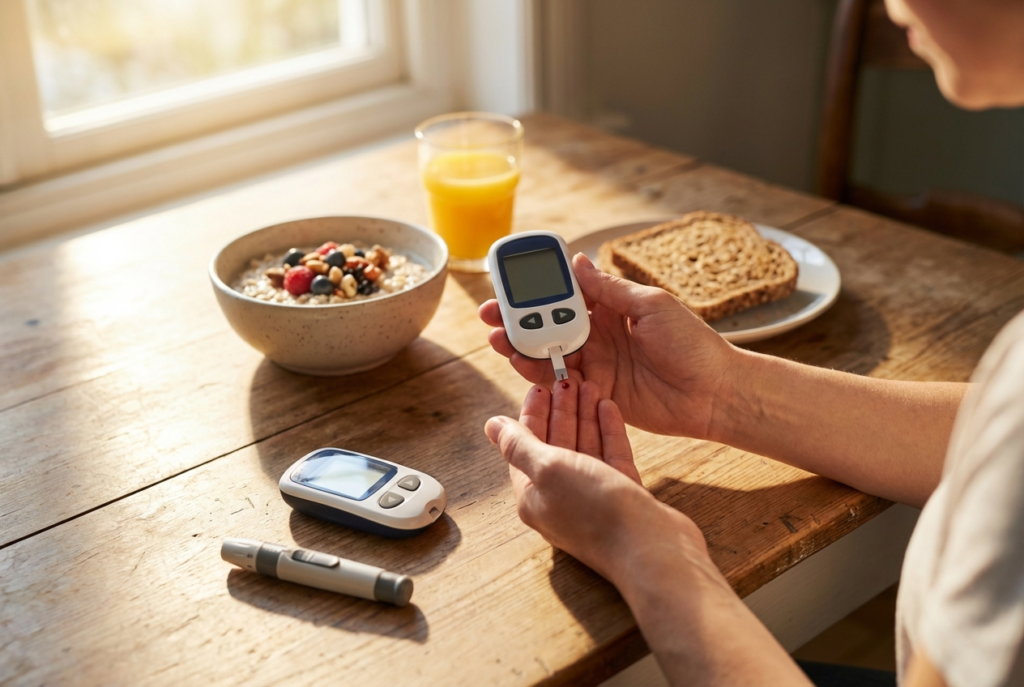
Understanding type 2 diabetes is essential if you’re taking or considering GLP-1 medications like Ozempic, Wegovy, or Mounjaro. Here’s what it is, how it develops, and how GLP-1 medications fit into managing it.
What Is Type 2 Diabetes?
Type 2 diabetes is a chronic condition in which your body either doesn’t produce enough insulin, or doesn’t respond to insulin properly. The result is that blood sugar (glucose) builds up in your bloodstream instead of being used by your cells for energy.
It is the most common form of diabetes. In the United States, 90–95% of adults with diabetes have type 2 diabetes. It is estimated that 80% of people who have type 2 diabetes are overweight.
How Does Insulin Work?
To understand type 2 diabetes, you need to understand insulin first.
When you eat, your digestive system breaks food down into glucose — a form of sugar that enters your bloodstream. Your pancreas responds by releasing insulin, a hormone that acts like a key — it unlocks your cells so glucose can enter and be used for energy.
In type 2 diabetes, two things go wrong:
- Insulin resistance — your cells stop responding properly to insulin. The key stops fitting the lock. Glucose stays in the bloodstream instead of entering cells.
- Reduced insulin production — over time, the pancreas gets worn down from overworking to compensate for insulin resistance, and starts producing less insulin.
The combination leads to chronically high blood sugar — which over years causes serious damage throughout the body.
What Causes Type 2 Diabetes?
Type 2 diabetes develops gradually, usually over many years. The main drivers:
- Excess weight — fat cells, especially around the abdomen, produce hormones that interfere with insulin signaling. This is why weight and type 2 diabetes are so closely linked.
- Physical inactivity — muscles that aren’t used regularly become less responsive to insulin.
- Genetics — having a family member such as a parent, brother, or sister who has diabetes increases your risk.
- Age and lifestyle — risk increases with age and a sedentary lifestyle.
- Ethnicity — being a member of a high-risk ethnic group, which includes African Americans, Asian Americans, Latinos, and Native Americans, increases risk.

What Are the Symptoms?
Type 2 diabetes develops slowly — many people have it for years without realizing. Common symptoms include:
- Increased thirst and frequent urination
- Fatigue and low energy
- Blurred vision
- Slow-healing wounds or cuts
- Frequent infections
- Tingling or numbness in hands or feet
- Unexplained weight loss (in later stages)
Many people discover they have type 2 diabetes only through a routine blood test. If you have risk factors, ask your doctor about getting your blood sugar checked.
How Is It Diagnosed?
Type 2 diabetes is diagnosed through blood tests measuring:
- HbA1c (A1C) — measures average blood sugar over the past 2–3 months. An A1C of 6.5% or higher on two separate tests indicates diabetes. Between 5.7–6.4% is considered pre-diabetes.
- Fasting blood glucose — blood sugar measured after not eating for at least 8 hours. 126 mg/dL or higher indicates diabetes.
- Oral glucose tolerance test — blood sugar measured 2 hours after drinking a glucose solution.
What Are the Health Risks?
Uncontrolled type 2 diabetes affects nearly every organ over time. With type 2 diabetes, you have up to 4 times greater risk of stroke, heart attack, or cardiovascular death. Even at your A1C goal, you’re still at risk.
Other serious complications include:
- Kidney disease — diabetes is the leading cause of kidney failure in the US
- Eye damage (diabetic retinopathy) — leading cause of blindness in adults
- Nerve damage (neuropathy) — especially in feet and hands
- Liver disease — non-alcoholic fatty liver disease is closely linked to type 2 diabetes
- Increased cancer risk — several cancers are more common in people with type 2 diabetes
How Is Type 2 Diabetes Managed?
Most people with type 2 diabetes will need to combine staying active and eating healthy with diabetes medication to help keep their blood sugar levels in target range. Your healthcare professional will work with you to design the right treatment plan.
Lifestyle changes are the foundation:
- A diet lower in refined carbohydrates and sugar
- Regular physical activity — even walking 30 minutes a day makes a significant difference
- Weight loss — losing 5–10% of body weight can dramatically improve blood sugar control
- Better sleep and stress management
Medications are added when lifestyle alone isn’t sufficient:
- Metformin — typically the first medication prescribed
- GLP-1 receptor agonists (Ozempic, Wegovy, Mounjaro) — see below
- SGLT-2 inhibitors — remove excess glucose through urine
- Insulin — when other medications aren’t enough
Where Do GLP-1 Medications Fit In?
This is where Ozempic, Wegovy, and Mounjaro come in — and why they’ve become so significant.
GLP-1 is a hormone that your small intestine makes. It triggers insulin release from your pancreas, blocks glucagon secretion to prevent unnecessary glucose release, slows stomach emptying, and increases how full you feel after eating.
The incretin effect — the body’s GLP-1 response — is reduced in people with type 2 diabetes. GLP-1 medications work by restoring and amplifying this effect — giving the body the signal it’s lost the ability to produce effectively on its own.
The 2025 American Diabetes Association Standards of Care now recommend GLP-1 receptor agonists for patients with type 2 diabetes and chronic kidney disease, cardiovascular disease, obesity, or non-alcoholic fatty liver disease.
They’re not just blood sugar drugs anymore — they’re cardiovascular protection, kidney protection, and weight management tools all in one.

Type 2 Diabetes vs. Type 1 — What’s the Difference?
Many people confuse the two. They are fundamentally different conditions:
| Type 2 Diabetes | Type 1 Diabetes | |
|---|---|---|
| Cause | Insulin resistance + reduced production | Autoimmune — body destroys insulin-producing cells |
| Onset | Gradual, usually in adults | Often sudden, usually in children/young adults |
| Insulin required | Not always | Always |
| Reversible | Partially with weight loss | No |
| GLP-1 medications | Yes — highly effective | Off-label use only |
Can Type 2 Diabetes Be Reversed?
Partially — yes. Significant weight loss (10–15% of body weight) can bring blood sugar back to normal levels in many people, a state called remission. This is one reason GLP-1 medications have been so transformative — they produce the kind of sustained weight loss that can push people into remission.
However, remission is not a cure. The underlying tendency toward insulin resistance remains. Without continued healthy habits, blood sugar typically rises again over time.
The Bottom Line
Type 2 diabetes is a chronic condition where the body stops responding properly to insulin, causing blood sugar to build up in the bloodstream. It develops gradually — driven by weight, inactivity, genetics, and age — and it’s the condition that GLP-1 medications like Ozempic were originally developed to treat.
Understanding how type 2 diabetes works makes it much easier to understand why GLP-1 medications work — they directly target the hormonal dysregulation at the core of the condition.
Related articles:
Medical Disclaimer
The content on this page is for informational and educational purposes only. It reflects general user experiences and publicly available clinical information about GLP-1 medications — not personal medical advice. Every person’s health situation is different. Before starting, adjusting, or stopping any medication or treatment, please consult a licensed healthcare provider or specialist who can evaluate your individual circumstances.