A plain-English guide to semaglutide — what it is, how it works, what it’s used for, and what to expect.
If you’ve been hearing about Ozempic everywhere — from your doctor, in the news, or from someone who’s lost significant weight — you’re not alone. But with all the attention comes a lot of confusion about what Ozempic actually is, what it does, and whether it might be right for you.
This guide breaks it all down clearly. No jargon, no hype.
What Is Ozempic?
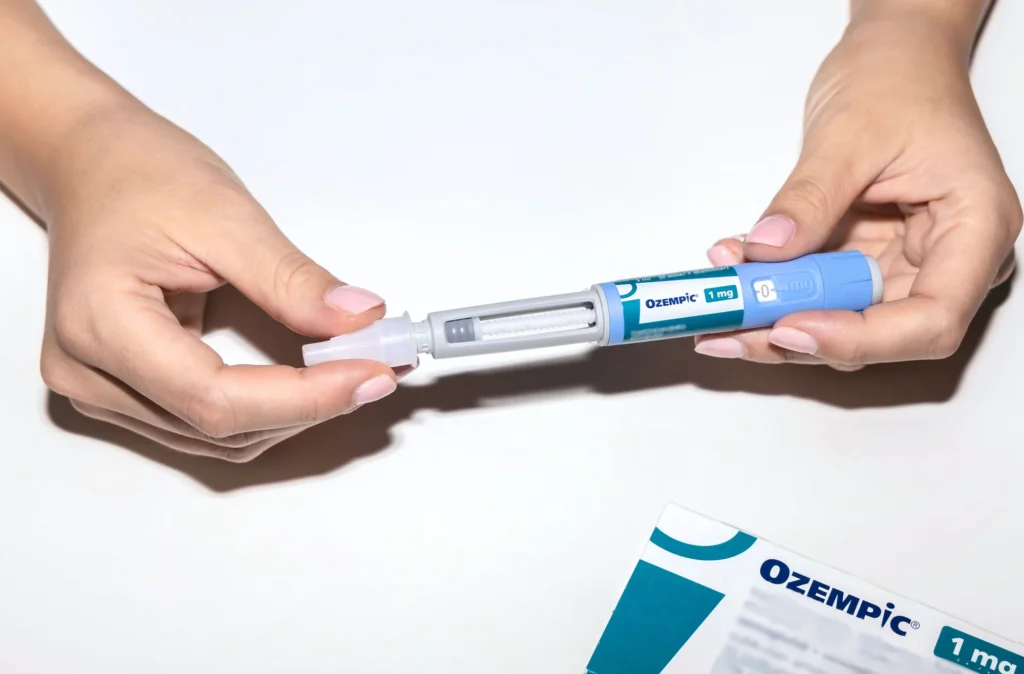
Ozempic is a prescription injectable medication made by Novo Nordisk. Its active ingredient is semaglutide — a synthetic version of a hormone your body naturally produces called GLP-1 (glucagon-like peptide-1).
It comes in a pre-filled injection pen and is taken once a week — same day, every week. Available doses are 0.5 mg, 1 mg, and 2 mg.
Ozempic is FDA-approved for adults with type 2 diabetes, but it has also become widely known for its weight loss effects — which we’ll cover below.
What Is Ozempic Approved to Treat?
Ozempic is officially approved for three uses in adults with type 2 diabetes:
1. Lowering blood sugar (A1C)
Used alongside diet and exercise, Ozempic lowers blood sugar levels. Clinical studies showed the majority of adults taking Ozempic reached an A1C under 7% — the target recommended by the American Diabetes Association.
2. Reducing cardiovascular risk
For adults with type 2 diabetes who also have known heart disease, Ozempic lowers the risk of major cardiovascular events — including heart attack, stroke, and cardiovascular death.
3. Protecting kidney health
Ozempic is the first GLP-1 medication approved to help lower the risk of worsening kidney disease and kidney failure in adults with type 2 diabetes who also have chronic kidney disease.
Important: Ozempic is not FDA-approved for weight loss. If weight loss is the primary goal, Wegovy — same active ingredient (semaglutide) at a higher dose — is the FDA-approved option for that purpose.
How Does Ozempic Work?
Ozempic mimics the GLP-1 hormone your body releases after eating. This triggers several effects simultaneously:
- Signals your pancreas to release insulin when blood sugar is high
- Reduces glucagon — preventing unnecessary glucose release from the liver
- Slows digestion — food moves through your stomach more slowly, preventing blood sugar spikes and keeping you full longer
- Reduces appetite — acts on the brain’s hunger centers, making you feel full faster and less interested in food overall
- Quiets food noise — dampens the reward pathways in the brain that drive cravings and obsessive food thoughts. Many people describe this as the most life-changing effect of the medication. Read more about food noise →
How Is Ozempic Taken?
Ozempic is injected once a week using a pre-filled pen — under the skin in your stomach, thigh, or upper arm. You can take it with or without food, at any time of day. The key is consistency: same day, every week.
Dosing Schedule
Ozempic is always started at a low dose and gradually increased to minimize side effects:
| Week | Dose |
|---|---|
| Weeks 1–4 | 0.25 mg (starter dose — not a therapeutic dose) |
| Weeks 5 onward | 0.5 mg |
| If more control needed | 1 mg |
| Maximum dose | 2 mg |
Your doctor will guide dose increases based on how your body responds. Never increase your dose without medical guidance.
Want to know exactly what happens week by week? Read Your First 8 Weeks on GLP-1 →
Does Ozempic Cause Weight Loss?
Yes — many people taking Ozempic lose significant weight, even though it’s not approved as a weight-loss medication. The appetite-reducing and food noise effects are real.
However, results vary widely. Some people lose a noticeable amount; others lose less. Weight loss is a secondary effect for Ozempic patients, not a guaranteed outcome.
If weight loss is your primary goal, talk to your doctor about Wegovy (semaglutide 2.4 mg) or Zepbound (tirzepatide), which are FDA-approved specifically for chronic weight management.
Ozempic vs. Wegovy — What’s the Difference?
Both contain semaglutide. Here’s how they differ:
| Ozempic | Wegovy | |
|---|---|---|
| Approved for | Type 2 diabetes | Chronic weight management |
| Max dose | 2 mg | 2.4 mg |
| Injection frequency | Once weekly | Once weekly |
| Weight loss focus | Secondary effect | Primary purpose |
| Savings card price | From $25/month with insurance | From $25/month with insurance |
For a full comparison including Mounjaro, read Ozempic vs Wegovy vs Mounjaro — What’s the Difference? →
Who Should NOT Take Ozempic?
Ozempic is not right for everyone. Do not use it if:
- You or a family member have ever had medullary thyroid carcinoma (MTC)
- You have Multiple Endocrine Neoplasia syndrome type 2 (MEN 2)
- You are allergic to semaglutide or any ingredient in Ozempic
- You are pregnant or planning to become pregnant — stop Ozempic at least 2 months before trying to conceive
Always tell your doctor your full medical history before starting, especially if you have a history of pancreatitis, diabetic retinopathy, gastroparesis, or kidney problems.
Side Effects of Ozempic
Most Common
The most frequently reported side effects are gastrointestinal:
- Nausea
- Vomiting
- Diarrhea
- Stomach pain
- Constipation
These are most common when starting or after a dose increase, and typically improve over time. Read our full nausea guide →
Serious Side Effects — Contact Your Doctor Immediately
- Pancreatitis — severe, persistent stomach pain radiating to your back. Stop taking Ozempic and seek care.
- Vision changes — Ozempic can affect diabetic retinopathy. Report any vision changes immediately.
- Low blood sugar (hypoglycemia) — higher risk if you also take insulin or sulfonylureas. Symptoms include dizziness, shakiness, sweating, and rapid heartbeat.
- Kidney problems — dehydration from nausea and vomiting can stress the kidneys. Stay hydrated.
- Serious allergic reactions — swelling of face, lips, tongue, or throat; difficulty breathing. Seek emergency care immediately.
- Gallbladder problems — upper abdominal pain, fever, jaundice, or clay-colored stools.
- Thyroid tumors — Ozempic caused thyroid tumors in animal studies. Tell your doctor if you notice a lump or swelling in your neck, hoarseness, or difficulty swallowing.
Common Concerns From Real Users
- Hair loss — not on the official side effects list but widely reported. Caused by rapid weight loss, not the drug itself. Usually temporary. Full guide →
- Muscle loss — some lean mass loss occurs with rapid weight loss. Protect it with protein intake and resistance training. Full guide →
- Alcohol — hits harder on Ozempic, and many people spontaneously lose interest in drinking. Full guide →
Is Ozempic Right for You?
Ozempic is a prescription medication — your doctor decides if it’s appropriate based on your medical history, current medications, and health goals.
Come to your appointment prepared:
- Know your current A1C and blood sugar readings
- Be ready to discuss your cardiovascular history
- Ask how Ozempic interacts with any medications you’re already taking
- Ask whether the standard starting approach makes sense for you
Not sure where to find a provider? Find a telehealth provider →
The Bottom Line
Ozempic is a once-weekly injectable medication containing semaglutide, FDA-approved for adults with type 2 diabetes. Many people also experience significant weight loss while taking it — though it’s not approved as a weight-loss drug.
It works by mimicking the body’s natural GLP-1 hormone — slowing digestion, reducing appetite, quieting food noise, and helping the pancreas respond more effectively to blood sugar.
Side effects are most commonly gastrointestinal and tend to ease as your body adjusts.
If you’re exploring GLP-1 options, start here:
This article is for informational purposes only and does not constitute medical advice. Always consult your healthcare provider before starting, stopping, or changing any medication.